· 5 min read
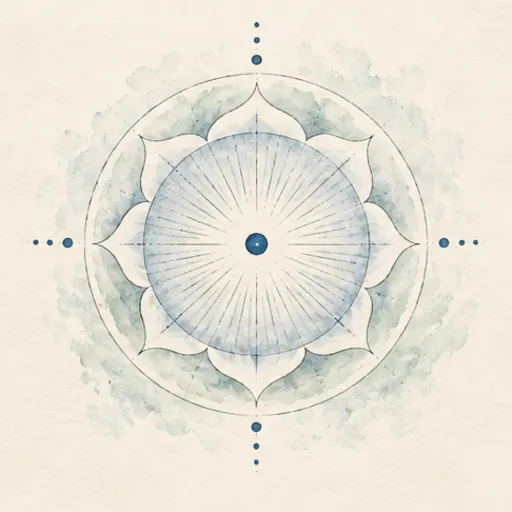
Cell 68: Cosmic Consciousness, the goal of the game
Why Leela ends on cell 68, Vaikuntha-loka, and not on the last square: the two ways to reach it, the cells beyond it, and what winning means in a game of self-knowledge.
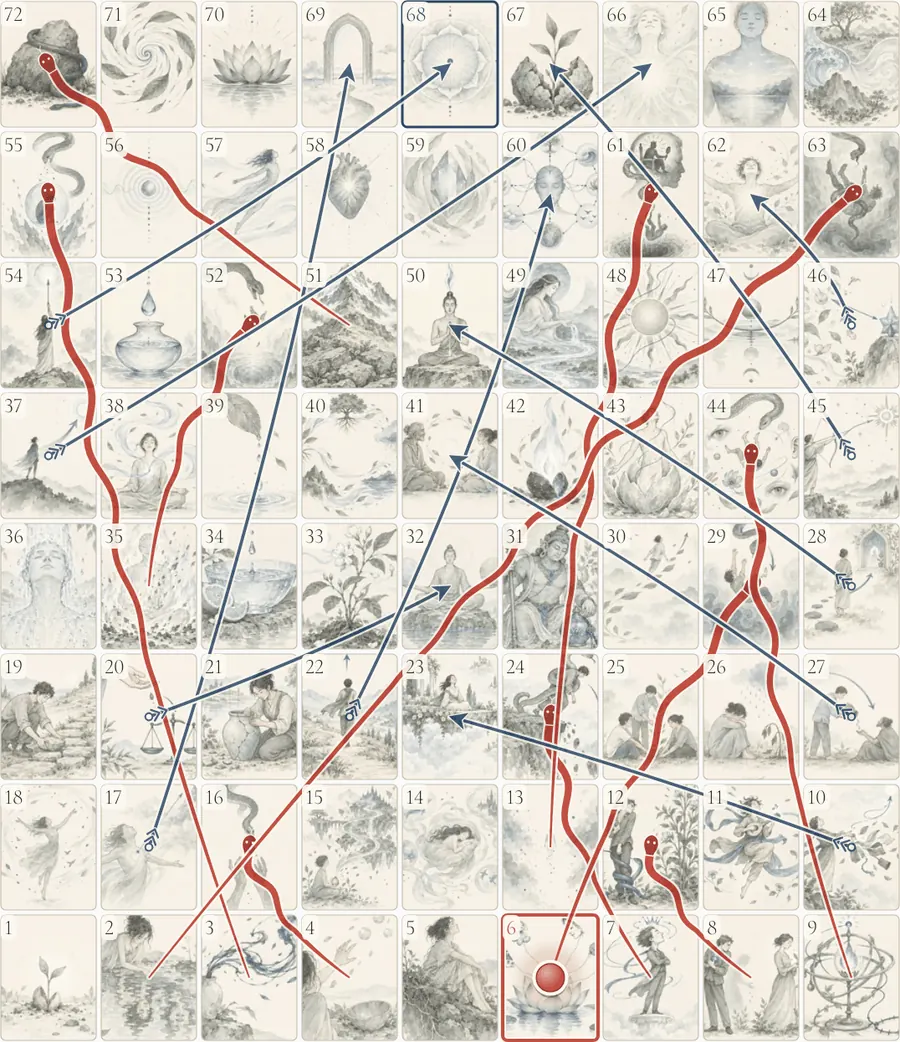
In Snakes & Ladders, the goal is the last square. You count your way to 100 and the game is over. Leela, a game of self-knowledge from the same Indian tradition, does something stranger. Its board has 72 cells, but the goal is cell 68. Four cells sit above the finish line, and your token can wander into them.
That small detail tells you a great deal about what kind of game Leela is. The goal is not the edge of the board. It is not the highest number, or the furthest point, or the last thing left to reach. It is a particular state, in a particular place, and you can overshoot it.
The abode of Vishnu
Cell 68 is Vaikuntha-loka. In Hindu tradition Vaikuntha is the abode of Vishnu, the preserver among the gods. In Harish Johari’s Leela, the version of the board our game follows, it is the plane of Cosmic Consciousness.
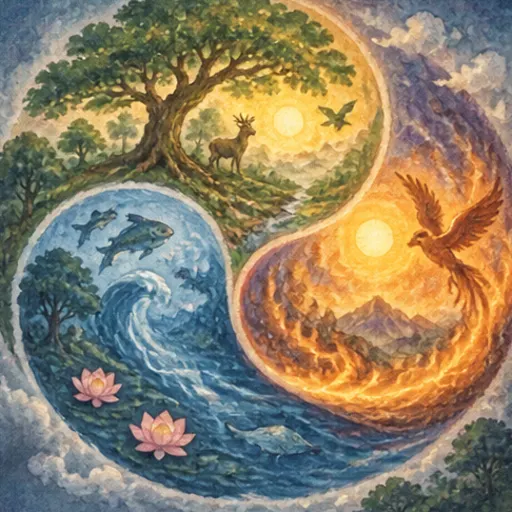
The board is laid out in eight rows of nine cells, and the rows climb through the body’s energy centres. The first row, opening with Genesis, stands at the level of the root chakra: the body, survival, support. The second opens with Purification and the chakra of desire and feeling. By the fifth row you have reached the chakra of space and speech. The eighth row, where 68 sits, lies above all the chakras. Here, in the words of the cell’s own description, the separate “I” dissolves into the whole, and there is nothing left to reach for.
It is worth pausing on that last phrase. Every other cell on the board is, in some way, about wanting: wanting safety, wanting pleasure, wanting to be right, wanting to be good. Cell 68 is the one place where wanting stops. Not because you finally got everything, but because the one who wanted has become less separate from everything else.
That is a lot to put on a square of a board game. Leela does not ask you to believe it. It asks you to walk toward it and see what the walk shows you.
Two ways in
There are only two ways to reach cell 68.
By an exact throw. From 62, Happiness, a six will do it. From 64, the Phenomenal Plane, you need a four. From 65, the Plane of Inner Space, a three. And from 67, the Plane of Cosmic Good, only a one. Near the top, the die becomes very particular. Players who arrive at 67 in a hurry often spend several rolls there learning patience against their will.
 64 · Phenomenal Plane
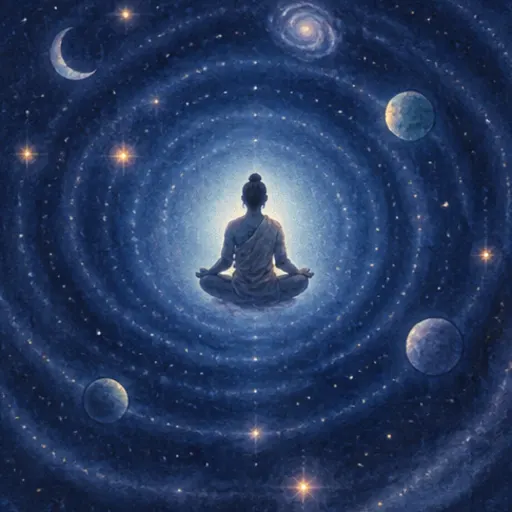 65 · Plane of Inner Space
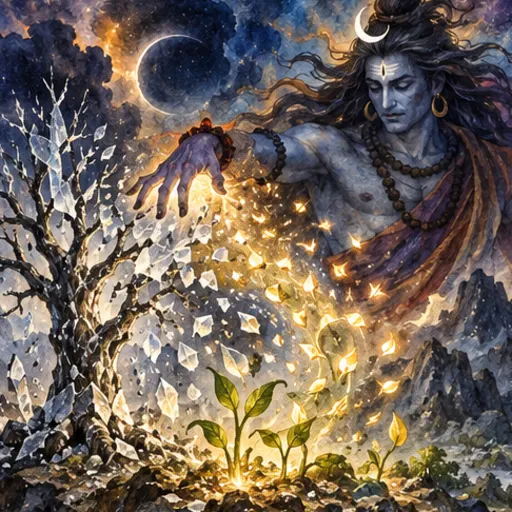 67 · Plane of Cosmic Good
By the arrow from 54. Cell 54 is Bhakti-loka, the plane of Spiritual Devotion, and it completes the sixth row. An arrow rises from it straight to the goal. This is one of the most striking facts about the board. There are arrows for Purification, for Mercy, for True Awareness and for Right Knowledge, but only one leads directly to Cosmic Consciousness, and it starts from devotion: love as a path, in which you stop holding on to yourself.
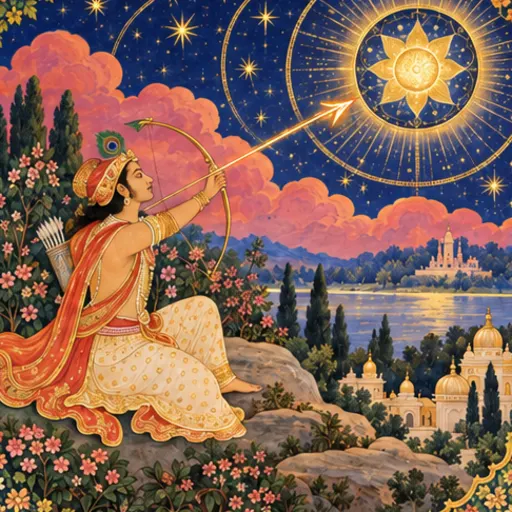
Compare it with the arrow from 45, Right Knowledge, which carries you to 67. Knowledge takes you very close. It leaves you exactly one step short, waiting for the die to show a one. It is hard not to read a small sermon into that, and the board seems happy to let you.
The cells beyond the goal
Above 68 are four more cells, and they are not a victory lap.
69 is Brahma-loka, the Absolute Plane, the world of the creator. The longest arrow on the board leads here, all the way from 17, Mercy. It is described as a state beyond the goal: very high, yet not home. Your token only moves forward, so once you are on 69, cell 68 is behind you. The question here is pointed: What have I achieved, and why might it not be enough?

Then come the three qualities of nature. 70, Sattva-guna, is clarity and harmony. 71, Rajo-guna, is restless activity. 72, Tamo-guna, is inertia, and from it a snake drops all the way down to 51, Earth. Roll past 72 without landing on it, and the count simply continues from the start of the board, and the journey goes round again.
So the heights of the board are not safe. You can climb higher than the goal and still not be home. You can reach the very top and slide back to the ground. The board treats this without drama. Even Earth, where the snake from 72 lands, is described as a place from which you can rise again.
What winning means here
In most games, winning is something you earn. In Leela, you cannot earn 68. The die decides when you land, and a long, attentive game can take far longer to get there than a careless one that happens to hit the right arrow. If winning meant only reaching the square, it would be almost meaningless.
The game suggests another measure. When your token lands on 68, the guide asks the last question:
What has changed in me during this game, and what will I carry with me?
That question only has an answer if you actually played. If you rushed through the cells, answered to be done with them and rolled again, there will be little to say. If you stayed with Anger long enough to see what it was protecting, if you let Darkness ask where you were sleepwalking, the answer can be surprisingly concrete.
In the app, when the game ends, the Path tab lets you look back over the whole journey: each cell, each question, each answer, in the order the die gave them. It reads like a short book about one stretch of your life, written in your own words. That record is the closest thing Leela has to a trophy.
After the game
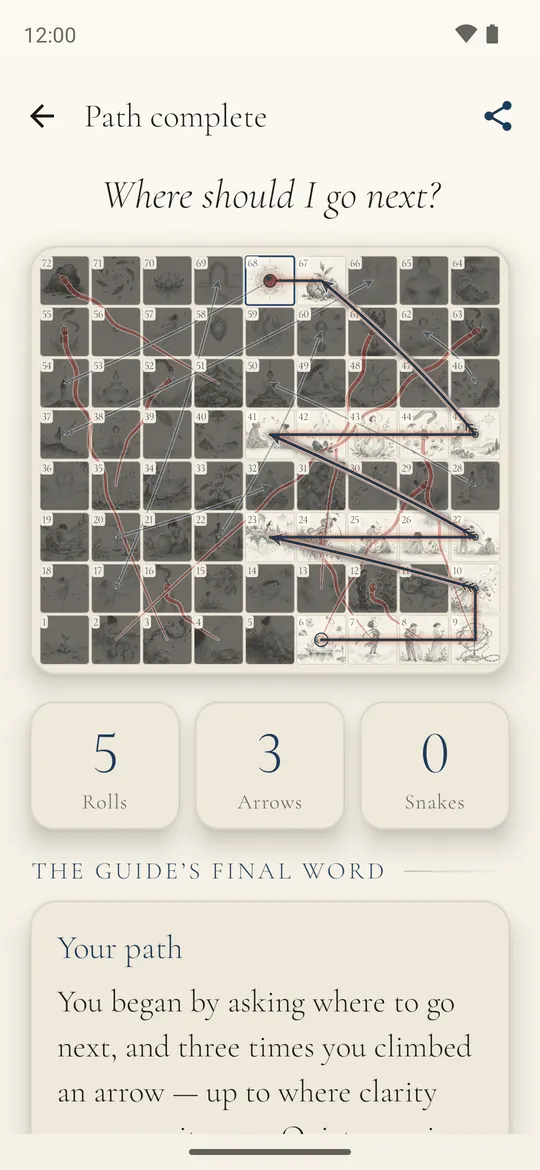
Then, of course, you can begin again. New intention, new six, back to cell 6 and the question of what you are attached to. The goal does not move. You might.
Leela is a game for reflection, not therapy. But as a way of spending an evening, or a week of evenings, walking toward a square where nothing more is needed is not a bad way to find out what you actually need.
Roll the die
Set an intention, throw a six to be born, and let the AI guide ask you one question on every cell you land on, all the way to cell 68, Cosmic Consciousness.